Used Screeners for Sale
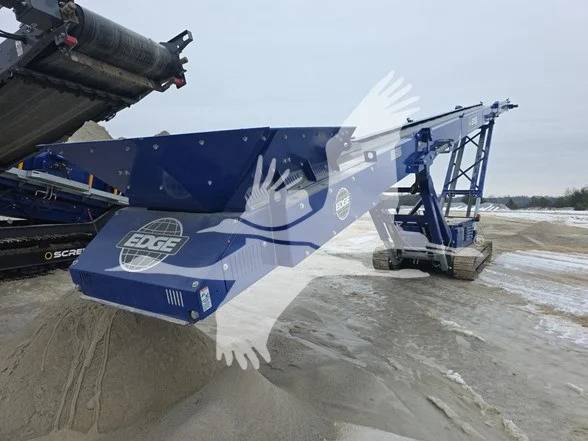
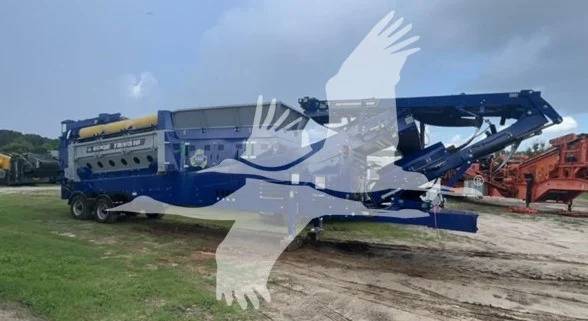
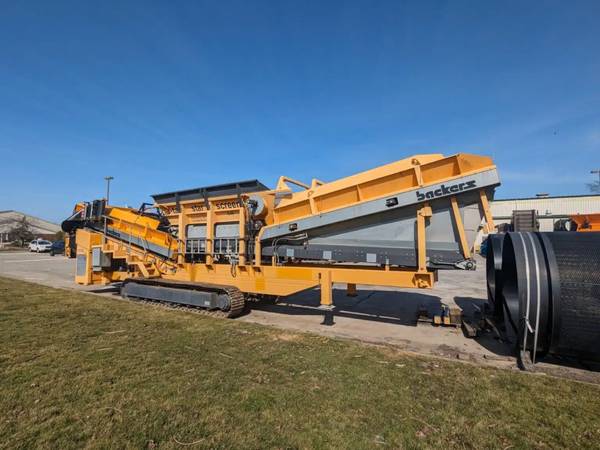
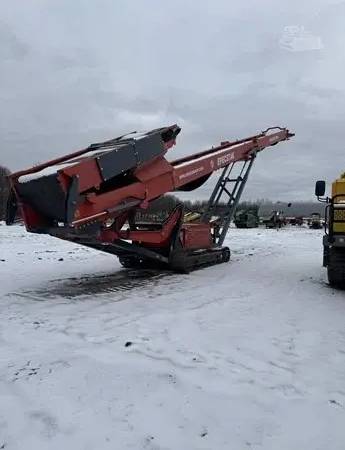
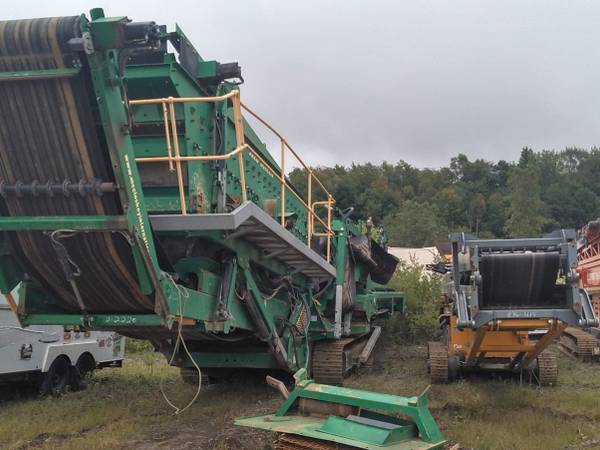
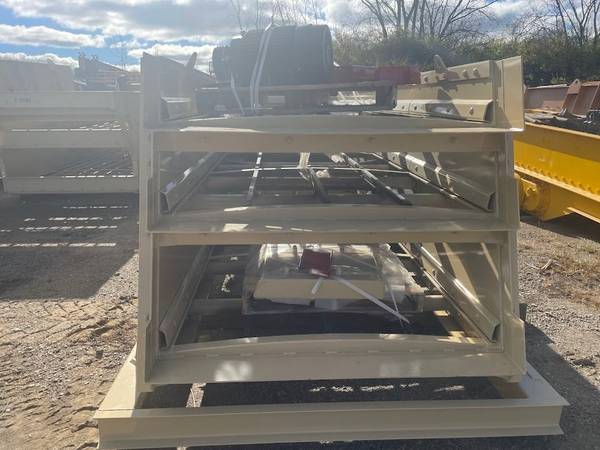
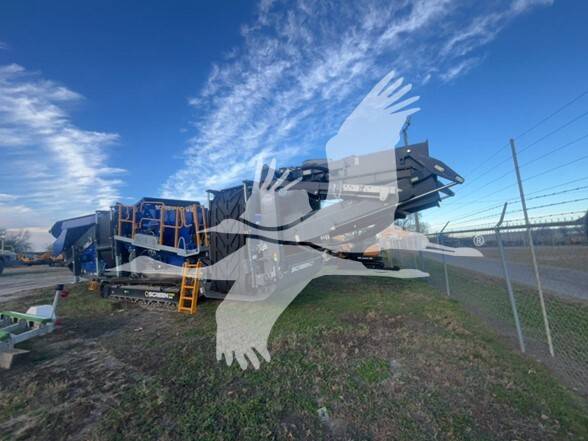
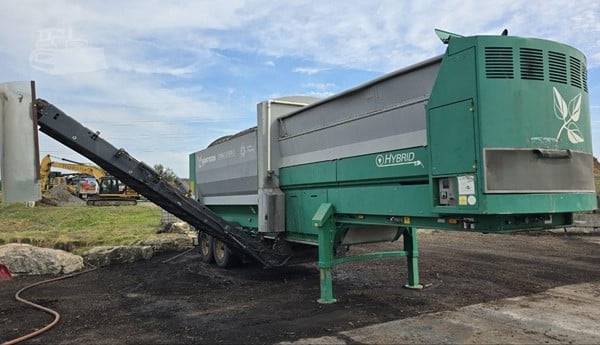
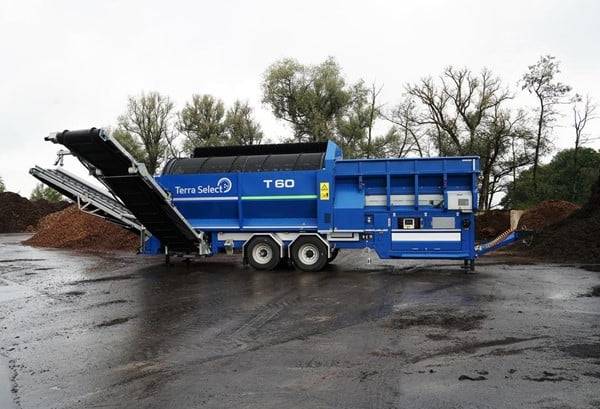
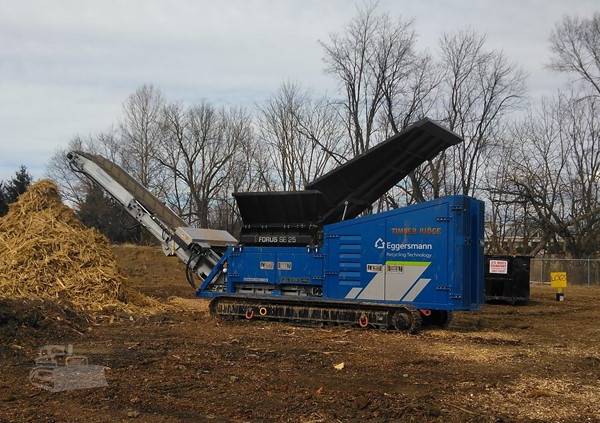
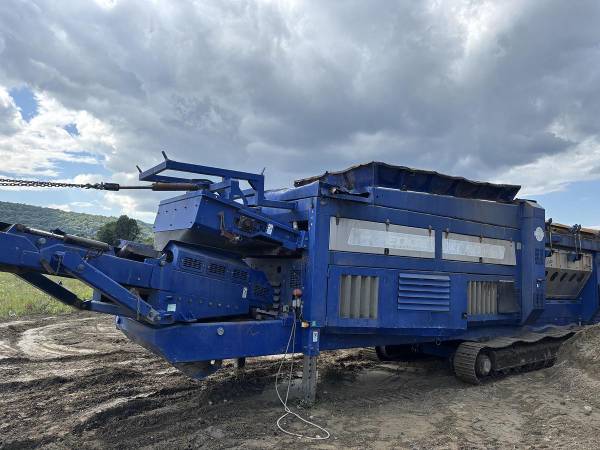
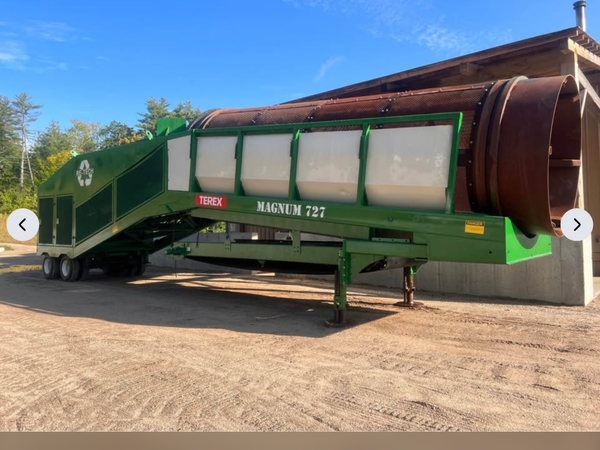
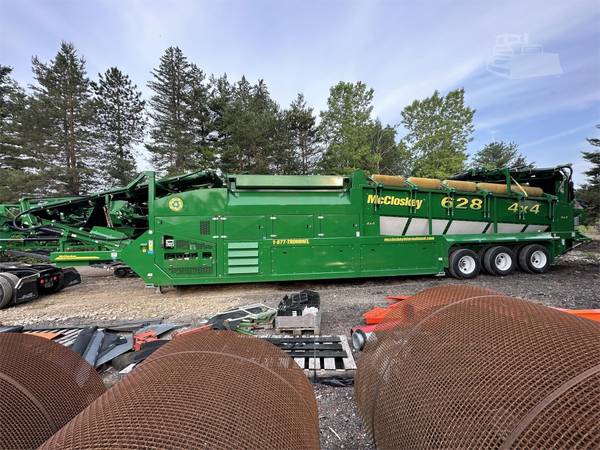
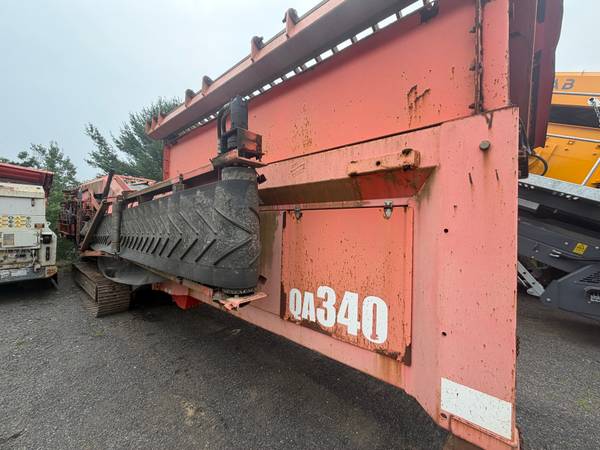
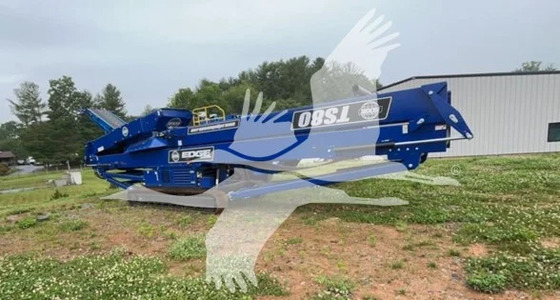
Tracked and wheeled screening plants for aggregate, topsoil, compost, recycled material, and C&D demolition.
Available screeners (60)


















Common questions about used screeners
2-deck or 3-deck screener — which do I need?
Count the products you want to make. A 2-deck makes 3 product piles (oversize / mid / fines); a 3-deck makes 4. If you're separating just oversize from product, a 2-deck is plenty. For sand-and-gravel splits or aggregate sizing into multiple product fractions, go 3-deck.
Tracked vs wheeled screener?
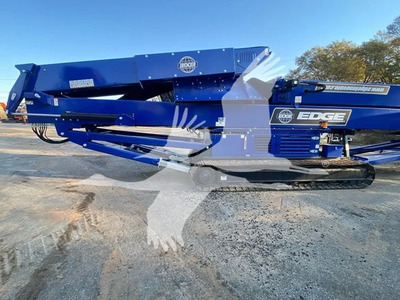
Tracked screeners are mobile and self-contained — ideal if you move between sites or work in tight spots. Wheeled screeners (or stationary plants) typically offer higher capacity per dollar but need site setup and a tractor to move. Most regional contractors favor tracked; high-volume aggregate plants favor wheeled or stationary.
How many tons per hour can a screener actually do?
Manufacturer specs are with ideal material. Real-world throughput depends on feed size, moisture, and product mix. A typical mid-size 3-deck tracked screener (e.g. Powerscreen Chieftain 1700, McCloskey S130) does 150-300 TPH on aggregate; topsoil and compost run lower because of moisture and sticky material. We'll give you realistic numbers based on what we've seen in operation.
Do you carry parts for the screeners you sell?
No — we're a brokerage, not a dealer. But all the major brands (Powerscreen, McCloskey, Terex, etc.) have OEM parts networks across North America, and we can point you to the closest authorized dealer for your machine.
Looking for a specific screener?
Tell us what you need — make, model, hours, budget, location. We'll match it from current inventory or our seller network.